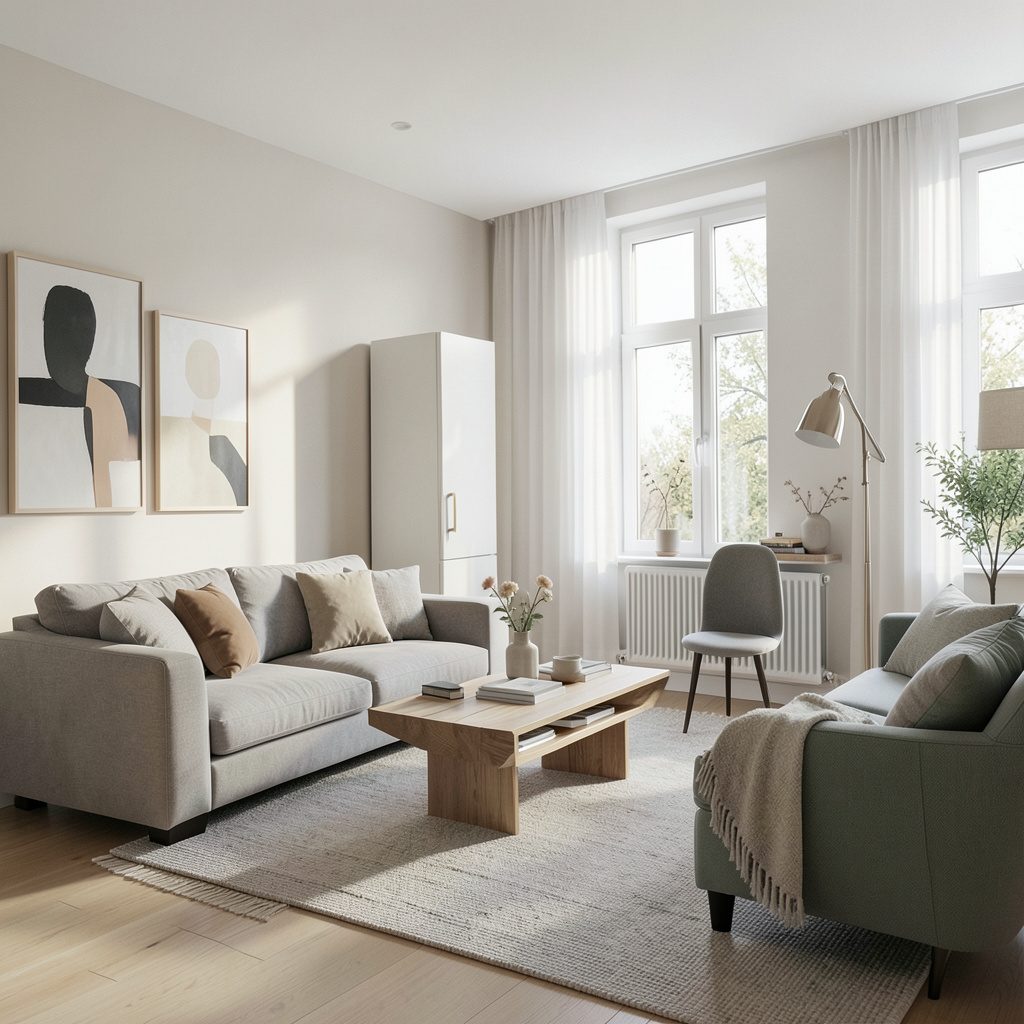
Home design can be difficult for people who aren't used to it. There are so many things that must be considered when designing your home, and each element of the design impacts another in some way. If you don't know where to start, these small minimalist home design ideas will help you begin your minimalism journey with confidence.
Combine Old and New Styles
Minimalism doesn't mean throwing everything out and starting fresh. Blending vintage pieces with modern furnishings creates depth and character while keeping the space uncluttered. A well-worn wooden chair next to a sleek metal lamp can make a room feel curated rather than sterile.
Make It Cozy
A minimalist home should still feel warm and inviting. Use soft textiles like wool throws, linen cushions, and a textured rug to add comfort without visual noise. Stick to a restrained color palette — warm neutrals, muted earth tones, and the occasional deep accent — to keep the atmosphere calm.
Choose Your Favorite Art
Rather than covering every wall, select one or two pieces that genuinely speak to you. A single large canvas or a small gallery of black-and-white prints can anchor a room. Let the art breathe by giving it plenty of surrounding wall space.
Keep It Simple
Resist the urge to fill every surface. Clear countertops, open floor space, and empty corners are features, not flaws. Each item you keep should serve a purpose or bring you joy — ideally both.
Keep Storage Space Hidden
Clutter is the enemy of minimalism. Built-in cabinets, under-bed drawers, and ottomans with hidden compartments keep everyday essentials out of sight. When everything has a designated home behind closed doors, your living space stays serene.
Make the Most of Your Space
Small homes reward creativity. Use vertical shelving, fold-down desks, and multi-functional furniture to maximize every square foot. A dining table that doubles as a workspace or a bed with integrated storage can transform how a room functions.
Clean Up Your Walls
Bare walls aren't boring — they're restful. If you do hang items, keep them sparse and intentional. A single mirror, one floating shelf with a few curated objects, or a restrained arrangement of framed photos is often enough.
Incorporate Nature
Bringing the outdoors in is one of the simplest ways to enliven a minimalist home. A few well-placed houseplants, a vase of dried branches, or natural materials like stone, wood, and clay add texture and life without creating clutter.
Minimalist design is a personal journey — there are no rigid rules, only principles to guide you. Start small, be intentional, and enjoy the process of shaping a home that feels both spacious and truly yours.